An Update to Katsumata Senkichiro’s Notes on Japanese Cuisine
Introduction: Notes on Japanese Cuisine
The 1946 pamphlet by Katsumata Senkichiro titled Notes on Japanese Cuisine was a contemporary introduction to Japanese cuisine at the time of its creation. The pamphlet featured various Japanese dishes, along with their ingredients, methods of preparation, and distinct characteristics that the author believed would be best suited to Western palates at the time. More specifically, he introduced four dishes; sukiyaki, tempura, kabayaki, and soba. While this pamphlet was a great first look into the world of Japanese cuisine, we now have the tools and knowledge necessary to expand on it.
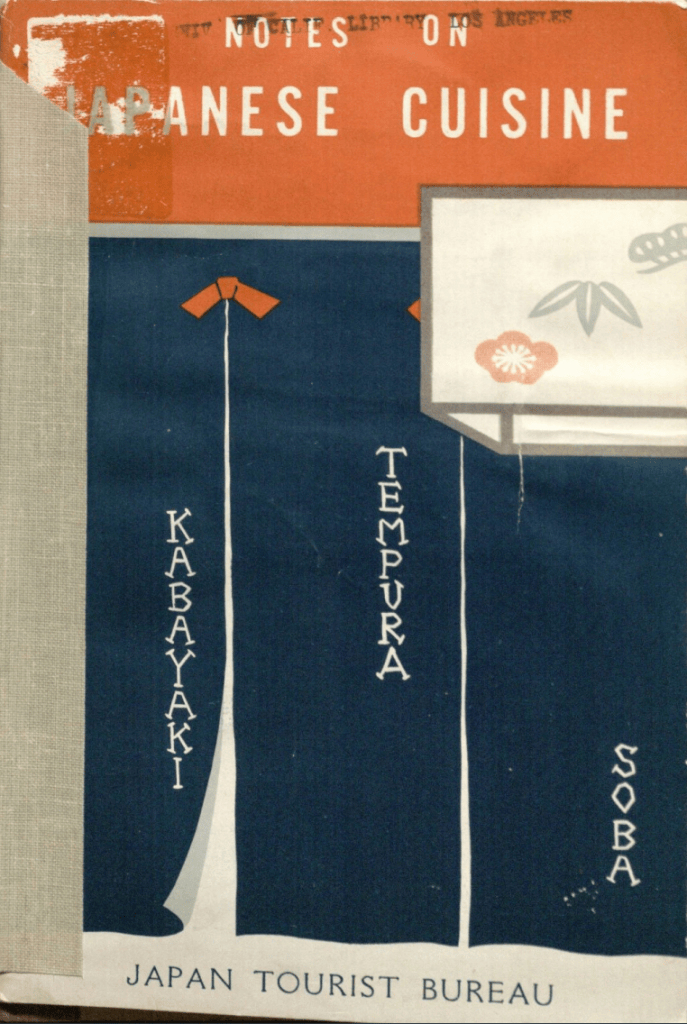
I believe that the pamphlet should be updated for three main reasons. First, Senkichiro stated in the introduction that he refrained from including things that were too exotic for the uninitiated, like sashimi and pickled vegetables, because he believed that it may deter people from further exploring Japanese cuisine. Nowadays, however, things like sashimi and pickled vegetables are generally well received and accepted almost everywhere in the world. In fact, in the US alone, there are over 4000 sushi restaurants. Secondly, the dishes he introduced in the book have evolved greatly since he introduced them in 1946, and now there are many different variations, as well as new dishes that have emerged. Finally, by translating the pamphlet to a digital format, we can reach a wider audience.
While the pamphlet does include a lot of valuable information that was new at the time of its creation, it must be updated to reflect current times and interests. In the next section, I will provide some background information on what I believe would be of interest for today’s general audience in regards to Japanese cuisine – more specifically, I will be discussing the consumer trends in health that have been propagated by influences like the media, and developments in health research over the past few decades. I will demonstrate how by altering the pamphlet to showcase Japan’s healthier options, we can appeal to a wider audience and be in line with current global health trends.
Background: Consumer Trends in Health
Over the past couple of decades, there has been marked increase in both the consumption and availability of healthy food in Europe and North America. Several dietary reports have suggested that there has been a decrease in the consumption of foods that are high in fat, sugar, or salt and an increase in the consumption of foods that are high in fiber, such as fruits and vegetables. Moreover, healthy convenience foods are becoming more available, making it easier for the average person to choose healthier alternatives. These trends appear to be continuing, with the rapid speed and scale of the change suggesting that we are undergoing a major revolution in national eating patterns.

One influence on healthy eating is the media, including social media, that has become a platform for nutritionists and other health educators to broaden their audience and reach more people. An example of this is the instagram page @collegenutritionist run by Rachel Paul, a registered dietician. Her page, which has amassed over 354,000 followers, features healthy recipes, nutritional advice, as well as mental health advice in regards to food. Another example of the media influencing consumer health behaviour can be seen through the study that was conducted by Leung, Tripicchio, Agaronov, and Hou (2014) which examined whether Japanese manga (comic book) featuring healthy eating messages could influence snack selection in Black and Hispanic New York City youth. The results suggested that the manga did have an impact and is an effective method of transmitting healthy messages to the youth.
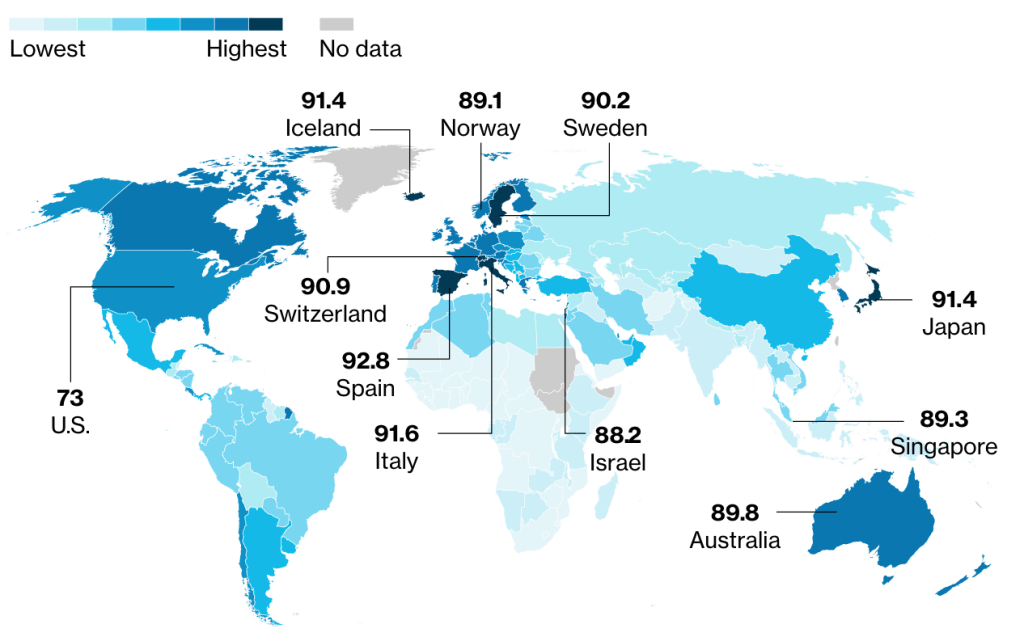
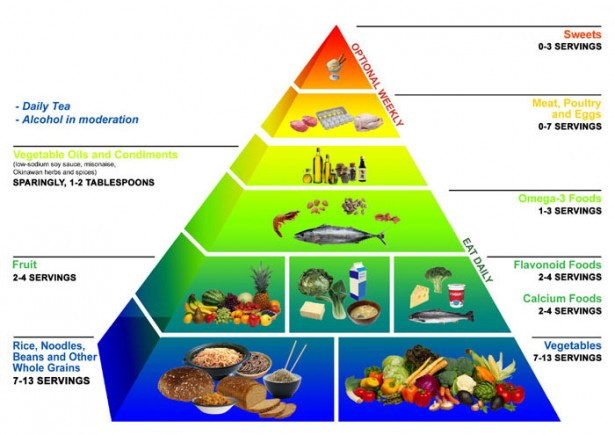
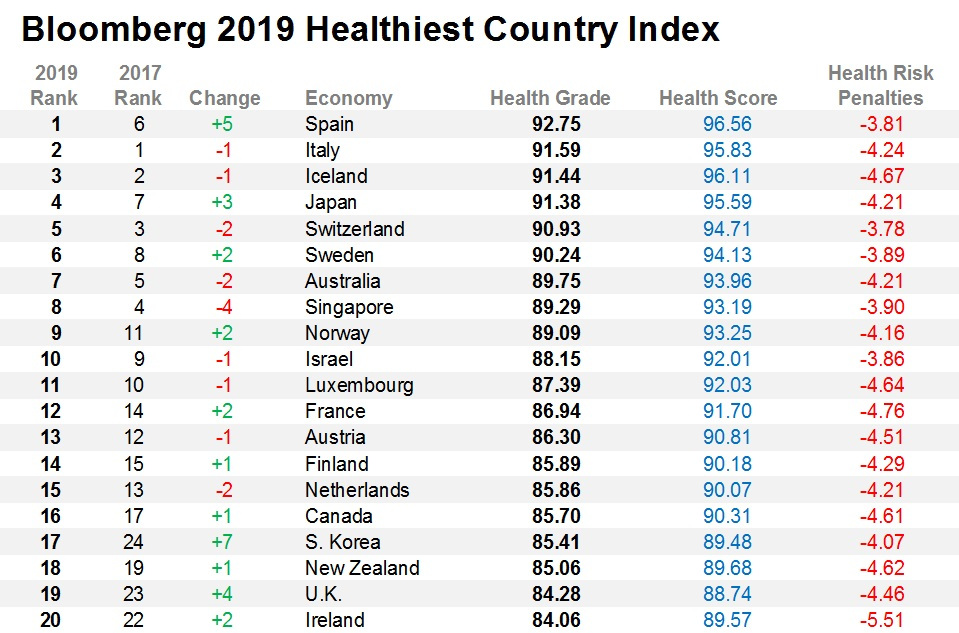
Another influence is the increased knowledge and education on healthy eating through developments made in health research. Over the past few decades, trends such as the life expectancy, infant mortality rate, and disease prevalence have been analyzed in each country and rankings have been subsequently generated. For instance, according to the Bloomberg Healthiest Country Index, Japan is the fourth healthiest country in the world. It has an obesity rate of 3.6% compared to 32% in the United States. In addition, it has the second highest life expectancy worldwide – 81.4 years for men and 87.6 years for women. As a result of such findings, researchers have turned to Japan in order to assess whether there is a correlation between their diet and positive health outcomes. An example of this was the research conducted by D. Wilcox, B. Wilcox, Todoriki and Suzuki (2013) which examined the Okinawan diet. This low calorie, high fiber diet, which consists of high fruit and vegetable intake and reduced meat, refined grains, fat, salt, and sugar consumption, was suggested to be a factor in the longevity of the Okinawa residents.
The Pamphlet: A Healthier Approach
So, where does Japan fit in? As mentioned earlier, people are becoming increasingly drawn to low fat, high fiber diets. This health trend is on the rise, due to factors such as media influence and increased health and diet research. The Japanese diet is in line with the current consumer trends, as seen in the example of the Okinawan diet, and is high in fiber and low in fat. I believe that this presents us with the perfect opportunity to update the pamphlet and showcase the healthy aspects of the Japanese diet. Following this line of reasoning, I believe the pamphlet should include three items that are reflective of Japanese culture, yet appealing to the health consumer trends: miso soup, sushi, and the bento box. I believe miso soup should be included in the pamphlet as it is low in calories but high in nutrients. Sushi should be added as it is no longer seen as a strange delicacy, and is in fact very popular around the world. In addition, sushi is healthy and a good source of nutrients. Finally, the bento box should be added. A typical bento includes a perfect balance of vegetables, fish/meat, and rice and would make a great meal that is high in fiber and low in fat. It is also convenient, which makes it in line with consumer trends. Each food item will have its own section, just like the original pamphlet. In each section, there will be three main points discussed: 1. the history of the food, 2. the ingredients and, 3. nutritional information including findings from studies that demonstrate positive effects on health. At the end of the pamphlet, there will be an additional section with an updated listing of the most famous restaurants in Japan that offer the dishes that were discussed. I will omit details present in the original pamphlet that do not particularly pertain to the theme of health.
Miso Soup 味噌汁
History
Miso soup has a long history in Japan. During the Heian period (794 – 1185), miso paste was a delicacy only to be consumed by people of higher social status such as nobility and monks. In this period, it was not eaten in soup, rather it was a paste that was spread on something or eaten directly.
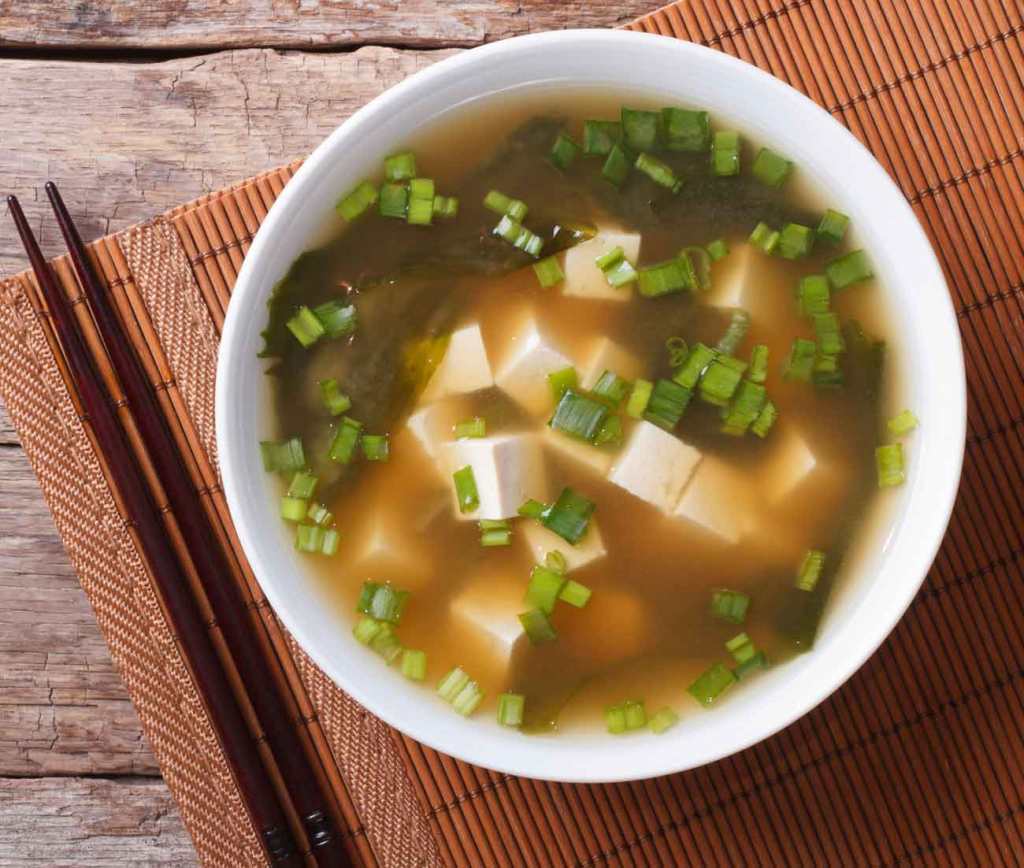
During the Kamakura period (1185–1333), mashed soy beans were used to make soup that was frequently consumed by samurai. Commoners also began to eat miso soup at this time.
In the Sengoku period (aka. The Warring States period) which spanned from the 15th to 16th century, miso was an essential aspect to the people’s diet as it contained nutrients essential for survival during the persistant military conflicts.
Two trends – frugality and luxury – were applicable to miso during the Edo period (1603 – 1868). The shogunate issued an “austerity ordinance” which promoted frugal eating habits to samurai and commoners, and that entailed the consumption of miso. The wealthy merchant class also grew at this time so there was a demand for high-quality miso.
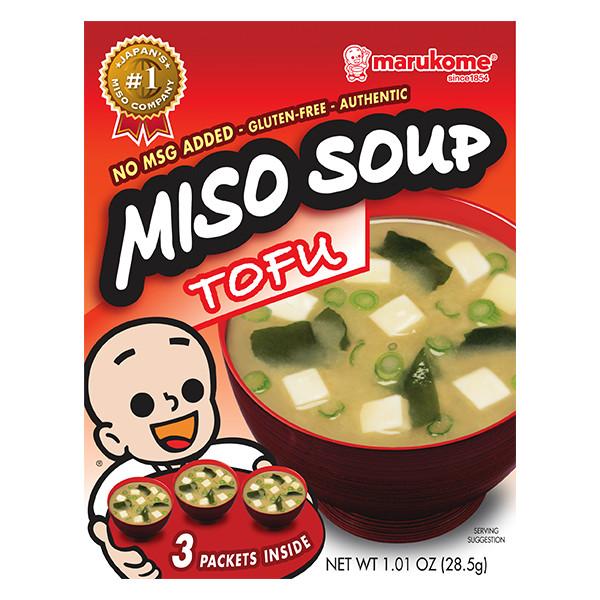
Nowadays, Most Japanese meals are served with a bowl of steamed rice and miso soup. In addition, there are different varieties based on the region and season. There are also ready-to-eat miso packets, making miso soup more accessible. However, it is important to check the nutritional information, as some ready-made miso soups are actually not very healthy and lack the nutritional value present in freshly prepared miso soup.
Ingredients
A typical miso soup consists of three main components: dashi, miso (soybean paste) and a choice of additional ingredients (typically vegetables).
Dashi is Japanese stock used for cooking and making soups. There are three different types that are used in miso: 1. Awase Dashi, which is made with kombu kelp and dried bonito flakes, 2. Iriko dashi, made from anchovies, and 3. Kombu Dashi, made from kombu kelp.
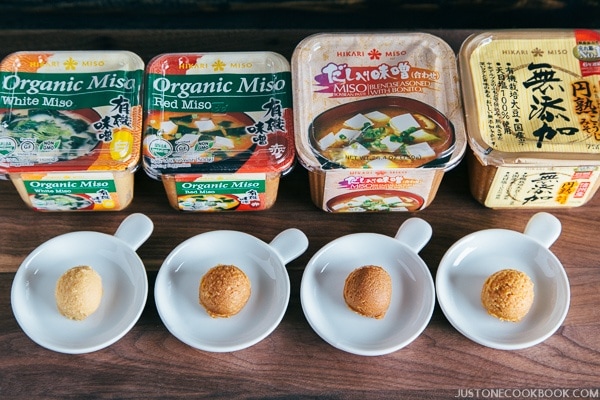
Miso (soy bean paste) is made from soybeans, grains like rice and barely, salt, and koji culture (a fermentation starter). There are many different miso paste brands and varieties with varying levels of quality and flavour.
The final component of miso soup are the additional ingredients (mainly vegetables) that can be customized based on preference. Some of the common ingredients are daikon radish, tofu, onion, different types of mushroom, potato, turnip, and so on.
Nutritional Information
Miso soup has about 20.4 calories per serving (391g), which is considered to be very low. It also has:
- 10 percent of your daily value (DV) for vitamin A
- 9 percent of your DV for vitamin C
- 28 percent of your DV for vitamin K
- 6 percent of your DV for manganese
In addition, it is rich in antioxidants. Depending on the additional ingredients chosen, the added benefits could vary. For example, tofu is a great source of protein and contains all nine essential amino acids, while green onions are an excellent source of vitamin K and vitamin C.
A possible criticism surrounding miso soup is the high sodium content, but studies suggest that it is actually not an issue. In a study conducted by Yoshinaga et al. (2012) examining the long-term effects of miso soup drinking on salt-induced hypertension in rats, the results demonstrated that miso soup actually attenuated the blood pressure increase in salt-induced hypertension by slowing down sodium absorption in the gastrointestinal tract. This effect could have also been due to the nutrients in the miso soybean paste. They also found that there was a decrease in cardiovascular and renal damage. In epidemiological studies, miso soup consumption has been strongly associated with a reduction in mortality from gastric cancer in Japan.
Further Exploration
Check out these videos to learn more about miso and its health benefits.
Sushi 寿司
History
Few dishes are as recognizable and representative of cultural identity as Japanese sushi. Originally, sushi was a way to preserve food, where fish was fermented in rice in order to extend its longevity. This method originated in China but was developed in Japan over centuries.
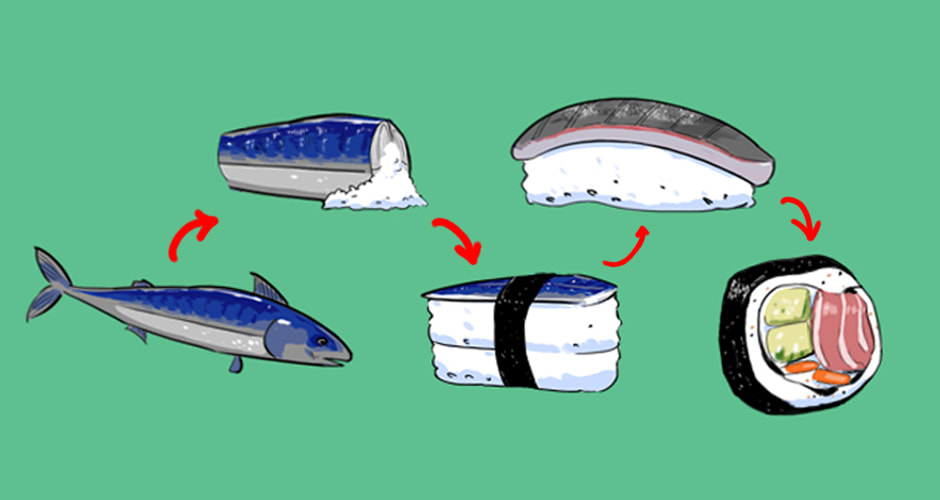
The first occurrence of sushi, which somewhat resembles the sushi we know today, was Haya-Nare sushi, which consisted of box-pressed cured fish over vinegar-seasoned rice. It emerged and was present between the 14th to 18th century in Japan. Every prefecture had their own recipes and regional varieties. For instance, in Toyama they used bamboo leaves to wrap it, while in Nara they used persimmon leaves.
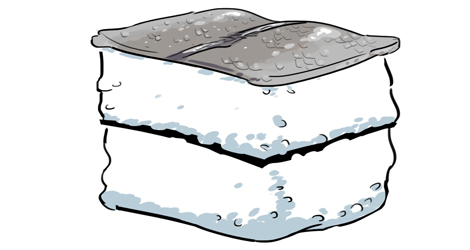
Edo-Mae sushi originated in the 19th century to early 20th century. It consisted of hand packed, pre-cured fish over vinegar rice. It was about three times bigger than the sushi we have today. At the time, frequent fires occurred in Edo (modern day Tokyo) due to the dense nature of the city. The blue-collar workers would rebuild after every fire, and while working, they would buy street food for its convenience – one of the foods sold being sushi.
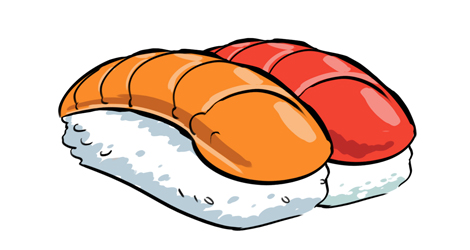
Finally, we have modern day sushi which has a lot of different varieties like inside-out rolls, fish over rice, and so on. Sushi has spread globally over the past few decades and influenced global cuisines, but was also influenced in return. The California roll, which was invented in Canada by a Japanese chef, is a perfect example of this phenomenon.

Ingredients
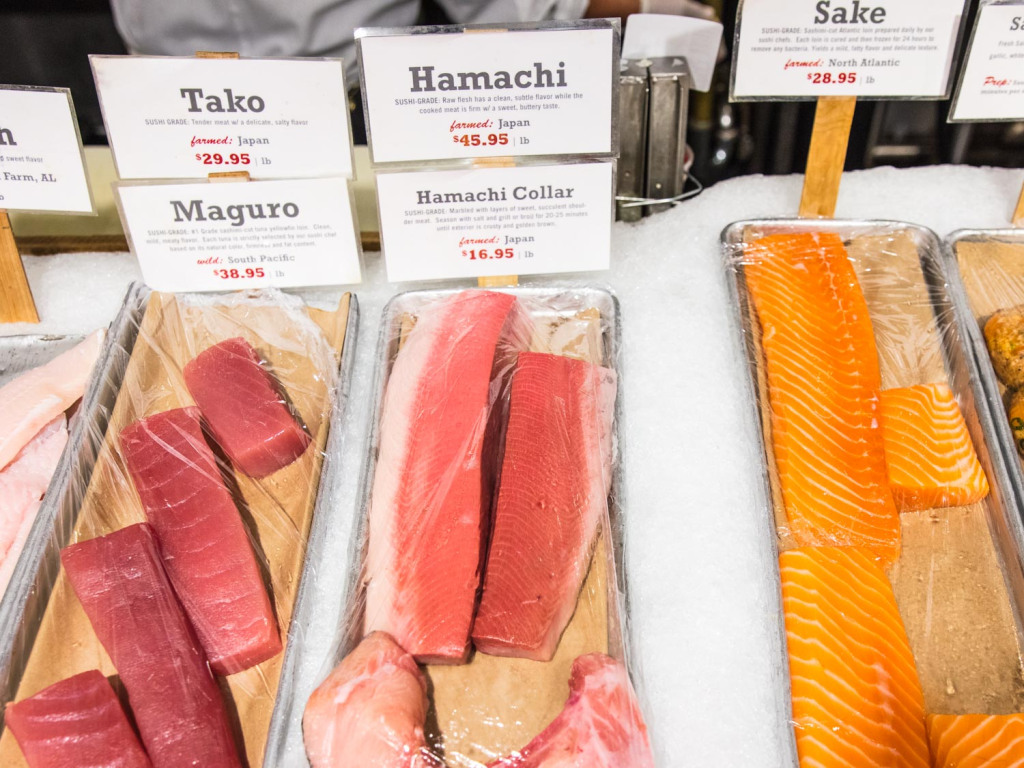
There are many different varieties of sushi, with some options being healthier than others. Some of the healthier options include salmon avocado rolls, tuna rolls, and rainbow rolls – in short, the rolls that do not contain heavy sauces or mayo and involve some sort of vegetable and/or fish. Some of the typical ingredients include seaweed, rice, and a choice of fish and/or vegetables.
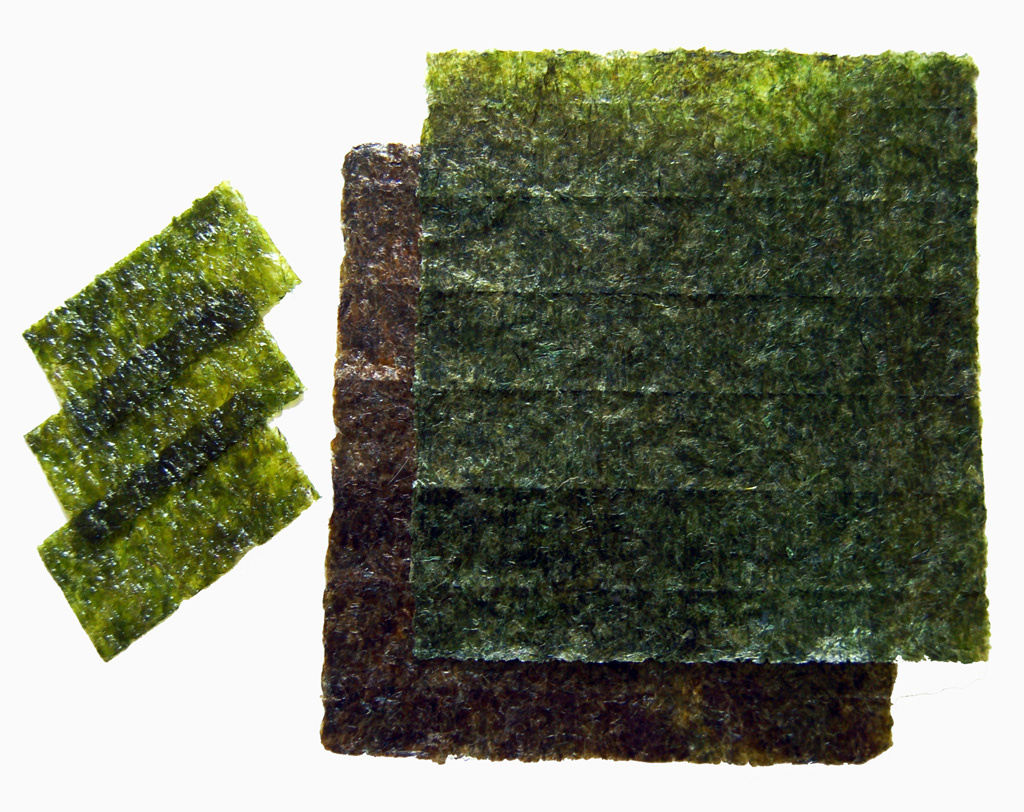
Seaweed is used in many sushi rolls as an outer layer in which the ingredients are contained. Typically, Nori seaweed is used, which is made up of shredded red seaweed.
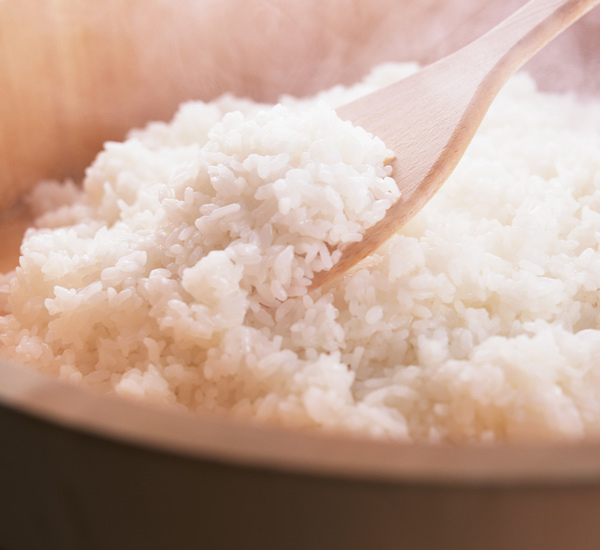
Rice, a staple in many Japanese dishes, is also included in most sushi varieties. It is usually the second layer between the Nori and the vegetables/fish. It is often combined with vinegar in order to achieve stickiness and a slightly sour taste.
Finally, a combination of vegetables and fish may be used, and they make up the centre of the roll. More modern sushi varieties may also include chicken and other ingredients not typically found in traditional sushi.
Nutritional Information
Sushi can be vary low in calories, depending on the variety. For instance, a salmon cucumber roll (about six pieces) contains 231 calories, a shrimp roll contains 199 calories, and a veggie roll contains 170 calories.
Nori, is very low in calories (35 calories) but high in nutrients such as:
- Vitamin A
- Vitamin B-6
- Vitamin C
- Minerals (ex. Iodine)
The main source of nutrition in sushi comes from the seafood included in the roll. For instance, salmon, mackerel, and tuna, three healthy and common options, are high in nutrients like:
- Protein
- Omega-3 fatty acids
- Vitamin D
- Selenium
Finally, vegetables are a bonus source of nutrients. Sushi may include a wide range of vegetables including avocado, cucumber, an so on depending on the variety. Wasabi and ginger, two common condiments, are other good sources of nutrients.
According to Rajapakse and Kim (2011), seaweed consumption could lead to a reduction of lipid absorption and cardiovascular diseases. In addition, they suggest that it could have a positive impact on the regulation of blood glucose levels in the body. In a paper by Lund (2013), she states that a diet high in fish and shellfish appears to be beneficial to health. Therefore, sushi, which contains these ingredients, seems to be a low calorie and nutritious meal that has a lot of different short-term and long-term health benefits.
Further Exploration
Check out these videos to learn more about sushi and its health benefits!
Bento Box お弁当
History
During the Kamakura Period (1185-1333), people packed dried meals like rice in a small sack known as hoshi-ii when going to work or to hunt.
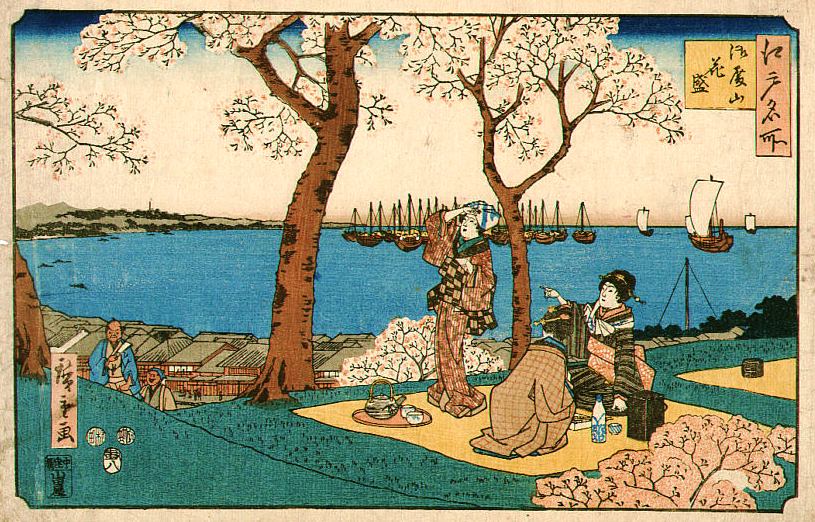
The Azuchi-Momoyama Period (1568 – 1600) marks the emergence of wood lacquered bento boxes. They were mainly used fo storing food at gatherings, however, and were not used to pack lunches.
During the Edo Period (1603-1868), bento boxes became a lot more common. This is when they started to be used as travel lunches. Koshibento was a type of bento box that was hung around the waist. In the koshibento, foods like rice balls, chestnuts, seafood, mushrooms, pickles, and bamboo shoots were included.
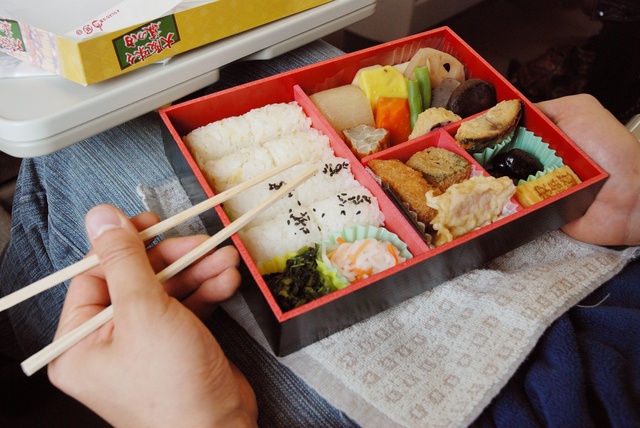
The introduction of the Japanese train system in the Meiji period (1868-1912) marked the beginning of ekiben, or train station bento. Typically, it included pickled daikon radish, and rice balls with pickled plums wrapped in bamboo leaves. Overtime, more varieties were introduced including Western style meals.
The first World War took place in the Taisho Period (1912-1926), where bento became a status symbol of sorts. Since only wealthy people could afford it, they became less popular. Some schools even replaced the home-packed lunches with a school cafeteria lunch in order to mask the wealth disparity between the students.
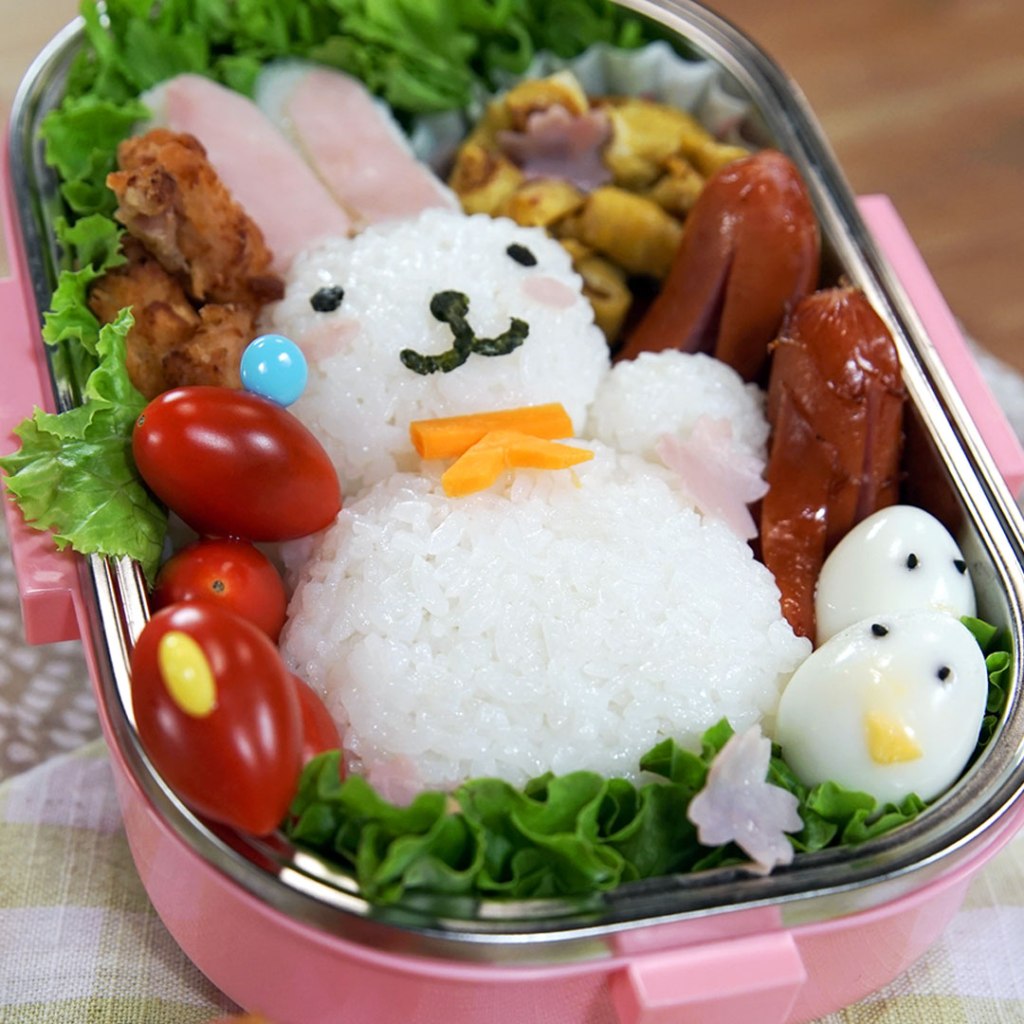
After World War II, the prices fell and bento became popular again. In more current times, societal expectations in Japan are that a mother must provide her child with a beautifully made bento everyday for school. The popularity of bento has also increased around the world thanks to influences like social media. Kyaraben or charaben, which are bento boxes that are made to look like cute characters, have gained world-wide recognition.
Ingredients
The goal of a bento box is to be a nutritiously balanced meal. Typically, it has four categories of food: carbohydrates (carbs), proteins, vegetables, and fruits. In addition, it must be visually appealing with lots of colourful foods. The typical ratio of a bento is 4:2:1 – 4 parts carbohydrates, 2 parts protein and 1 part vegetables or fruits.
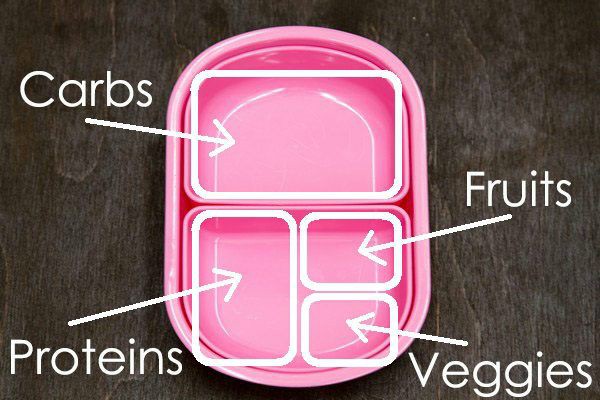
Carbohydrates can be rice, noodles, or bread. Usually, white rice is used. Carbohydrates take up the most space in a typical bento.
Protein is usually some sort of seafood or fish, but it can also be beef, chicken, tofu, beans, or eggs.
Finally, a wide range of fruits and vegetables can be used in bento. The goal is to incorporate lots of different colours to make it aesthetically pleasing to the eye.
Nutritional Information
Bento can range in the number of calories based on what is put in there. Usually, a typical Japanese bento will be around the 500 calorie mark. If the goal is to reduce calories, however, this can be easily achieved by altering the ratios of items in the bento box. For instance, nutritionists recommend a ratio of 3:2:1 as opposed to 4:2:1 for individuals who are trying to lose weight.
Carbohydrates are essential as they are the the body’s main fuel source. In addition, many cellular functions require carbs in order to occur. Therefore, carbs are an important part of a healthy diet.
Protein is important as it is a component of every cell in the human body, including skin cells, hair cells, etc. It also helps builds and repairs tissue if it is damaged. Just like carbohydrates, it is involved in many cellular functions like making enzymes, hormones, and other body chemicals.
Fruits and vegetables are important sources of vitamins and nutrients. The function of vitamins and nutrients varies, with some repairing wounds while others help convert food into energy.
According to Young and Nestle (2011), food portion sizes are going up in the United states and this is potentially contributing to the obesity epidemic. They concur that educational and public health efforts to target obesity should be focused on portion control. Thus, bento would make a great tool to lower obesity in the United States, as the main goal of a bento box is to ensure adequate portions of each category of food.
Further Exploration
Check out these videos to learn more about bento and its health benefits!
Restaurants レストラン
Where to Enjoy Delicious Japanese Cuisine
Ginza Kojyu
Ginza Kojyu, Carioca Bldg. 4fl., 5 Chome-4-8 Ginza, Chuo, Tokyo, Japan
Ishikawa
Ishikawa, 162-0825, Shinjuku-ku, Tokyo Kagurazaka 5-37 Takamura Building 1F -JR Sobu, Tokyo, Japan,
Sushi Saito
Sushi Saito, Ark Hills South Tower at 1-4-5 Roppongi, Minato, Tokyo, Japan
Nihonryori RyuGin
Nihonryori RyuGin, Side Roppongi Bldg, 1st Floor, 7-17-24 Roppongi, Minato, Tokyo, Japan
Takazawa
Takazawa, Sanyo Akasaka Building 2F, 3-5-2 Akasaka, Minato-ku, Tokyo, Japan


